Export Opportunities in Dehydrated Garlic Pieces from India
- March 03, 2026


In kitchens around the world, onions are a staple—transforming simple dishes into flavorful delights. Yet, the rise of dehydrated onion powder has changed how chefs, food processors, and manufacturers use this humble vegetable. Unlike fresh onions, which spoil quickly and require peeling, chopping, and storage attention, dehydrated onion powder offers convenience, long shelf life, and consistent flavor.
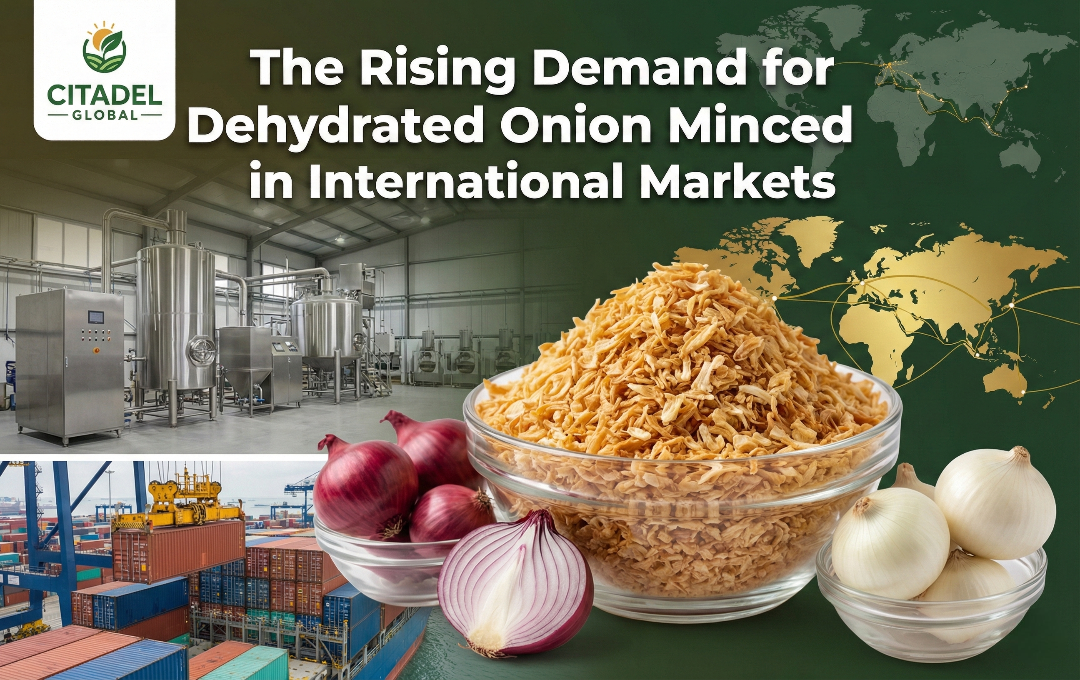
Over the last decade, global demand for this ingredient has surged. From processed foods to gourmet sauces, from fast-food chains to home kitchens, dehydrated onion powder has become a strategic commodity in the food industry. This article explores why its demand has skyrocketed, examining production processes, market dynamics, and future opportunities.
Dehydrated onion powder is produced by removing moisture from fresh onions through advanced drying techniques. The typical process involves:
Slicing: Fresh onions are cleaned and cut into thin slices.
Drying: Using hot air or specialized dehydrators, moisture is removed while preserving flavor and aroma.
Grinding: The dried onion slices are ground into fine powder, ready for packaging and distribution.
There are several varieties available: white, yellow, and red onion powders, each with unique flavor profiles and culinary uses. Compared to fresh onions, dehydrated onion powder is convenient, has a longer shelf life (up to 24 months in proper storage), and delivers a consistent flavor that is ideal for both industrial and household cooking.
Onions have been cultivated for over 5,000 years, revered not only for flavor but also for medicinal properties. Traditional cuisines relied heavily on fresh onions, but seasonal availability and storage limitations posed challenges.
With the industrialization of food, dehydration became a game-changer. It allowed onions to be preserved in bulk, transported across continents, and incorporated into processed foods without compromising quality. Today, the popularity of dehydrated onion powder reflects a blend of culinary heritage and modern food innovation.
This section breaks down the dissective analysis of why dehydrated onion powder has become a global necessity:
Dehydrated onion powder lasts significantly longer than fresh onions, making it perfect for both manufacturers and retailers. Reduced spoilage translates into cost savings, which is critical for large-scale food operations.
No peeling, chopping, or cleaning is needed. A pinch of onion powder instantly flavors dishes. In fast-paced kitchens, this time-saving convenience drives demand.
Unlike fresh onions, which can vary in pungency and sweetness, dehydrated powder delivers uniform taste. This consistency is crucial for processed foods, sauces, snacks, and seasoning blends.
From soups and sauces to ready-to-eat meals, onion powder is a key ingredient for large-scale food production. It blends seamlessly without altering texture or moisture content.
Dehydrated onion powder is significantly lighter than fresh onions, reducing shipping costs and making it ideal for international trade.
The global processed food market has been expanding at an approximate CAGR of 6–7%, boosting the need for stable, versatile ingredients like dehydrated onion powder.
Consumers increasingly demand natural, preservative-free ingredients. Onion powder aligns with clean-label trends, offering flavor without artificial additives.
Unlike fresh onions, which are seasonal, dehydrated onion powder ensures consistent supply throughout the year, catering to global industrial needs.
Bulk purchasing and reduced wastage make dehydrated onion powder more economical than fresh onions, especially for exporters and large-scale kitchens.
Modern dehydration techniques maintain flavor, color, and nutrient content, allowing producers to scale up without quality loss.
Countries like India, China, and the Netherlands dominate production, with high export potential to markets in the USA, Europe, and the Middle East.
Beyond food, onion powder is used in seasoning blends, snacks, and even certain industrial applications like ready-to-use soups or spice kits.
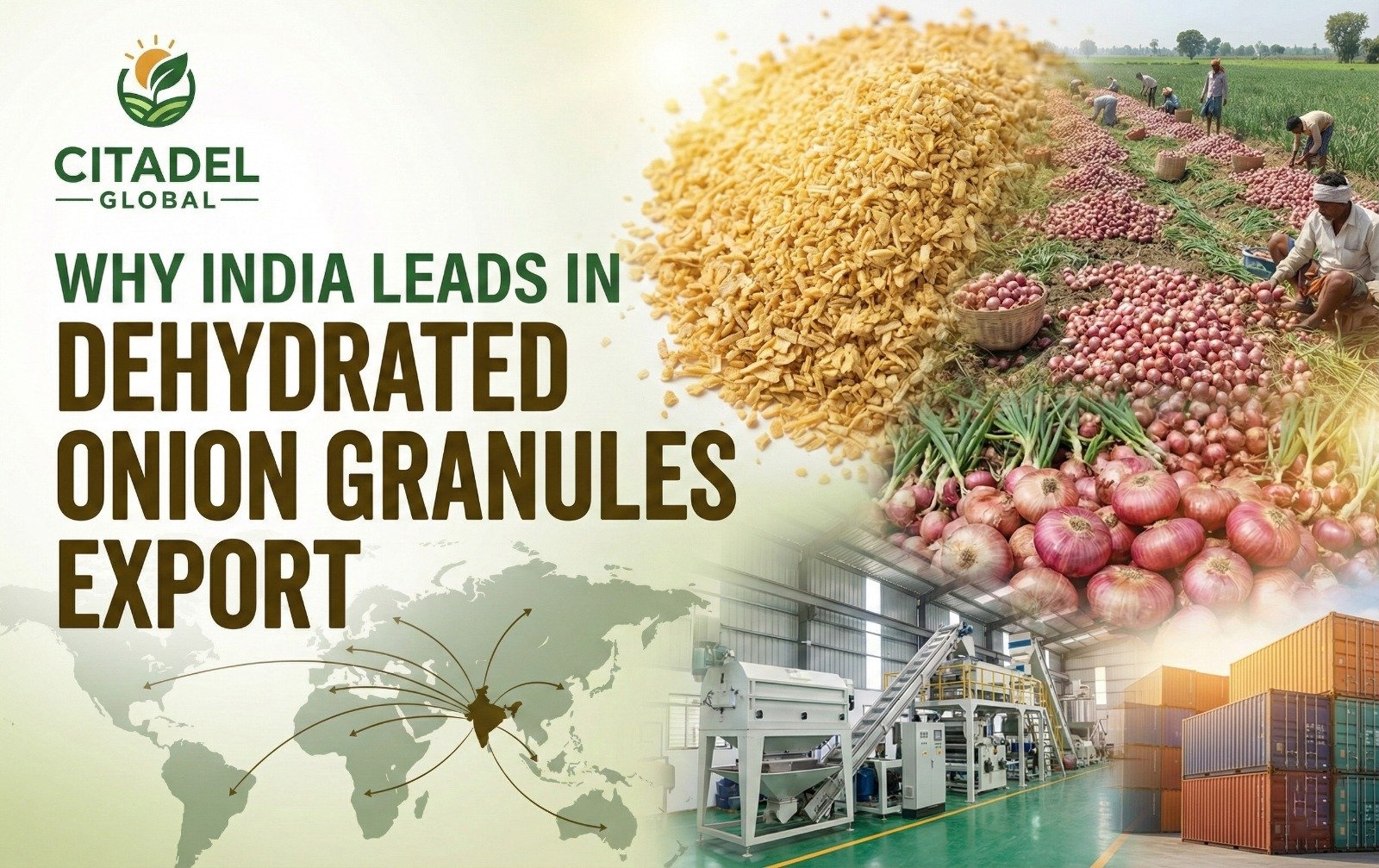
India is one of the largest exporters of dehydrated onion powder, contributing a substantial share to the global market. Other key producers include China, the Netherlands, and Egypt.
Global Demand Trend: Dehydrated onion powder has seen a steady CAGR of 5–6% over the last five years, driven by processed food demand and international trade.
Emerging Markets: Southeast Asia, Africa, and the Middle East are witnessing increasing adoption due to urbanization and growth in ready-to-eat meals.
Table: Top Producing Countries & Export Share (Approximate)
|
Country |
Export Share (%) |
|
India |
45% |
|
China |
25% |
|
Netherlans |
15% |
|
Egypt |
10% |
|
Others |
5% |
Despite growing demand, producers face challenges:
Climate & Crop Dependency: Onion yield fluctuates with weather, affecting supply.
Quality Control: Maintaining uniform flavor and moisture content is critical.
Competition: Fresh onions or other substitutes sometimes compete in niche markets.
Logistics: Bulk storage, transport, and maintaining hygiene standards require careful management
The future looks promising for dehydrated onion powder:
Growth Opportunities: Organic powders, blended flavors, and specialty formulations.
Technological Innovations: Improved dehydration methods for better flavor retention.
Market Expansion: Increased adoption in emerging economies, ready-to-eat meals, and export markets
The global surge in demand for dehydrated onion powder is not accidental. It stems from a combination of convenience, long shelf life, consistent flavor, industrial utility, and economic efficiency. As processed foods, clean-label trends, and international trade continue to expand, this ingredient is poised to remain indispensable in kitchens and factories worldwide.
For businesses and buyers seeking reliable, high-quality dehydrated onion powder, Citadel Global offers a trusted path. With export-grade products, traceable sourcing, clean-label processing, and bulk packaging options, Citadel Global has positioned itself as a dependable partner for importers, wholesalers, and food processors. By choosing a supplier with consistent quality and global compliance, companies can tap into the booming demand while ensuring product excellence.