Export Opportunities in Dehydrated Garlic Pieces from India
- March 03, 2026

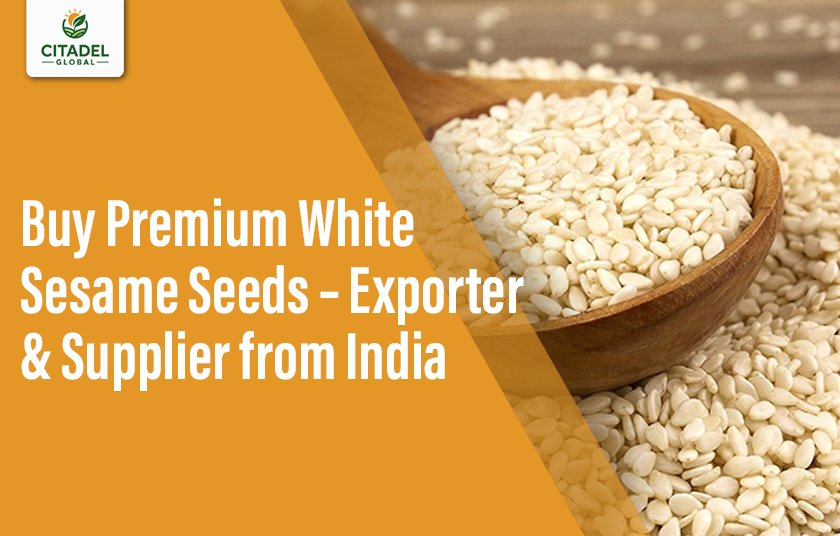
It’s almost poetic, isn’t it? Something so small—a sesame seed—yet it has traveled further than many of us ever will. From dusty fields in Gujarat to bakeries in Paris, from traditional tahini mills in Lebanon to sushi counters in Tokyo, sesame is everywhere.
Every single day, thousands of tons move across oceans, handled by white sesame seeds exporters worldwide. And yet, behind every bag of sesame lies a story of soil, seasons, farmers, and a global appetite that refuses to slow down.
People often think sesame is just a sprinkle. But anyone who’s really tasted it knows—it’s much more than that. In Japan, sesame is roasted and ground into paste for their ramen broth. In India, sesame (til) laddoos are rolled during winter festivals as a symbol of warmth and prosperity. In Turkey, tahini finds its way into halva, a confection so rich it almost tastes like history itself.
Here’s a fact that surprises most people: the best sesame seeds for cooking and baking don’t just add crunch. They’re a powerhouse of nutrients—packed with protein, antioxidants, and more calcium per spoonful than a glass of milk. That makes sesame not just tradition, but also modern health.
India doesn’t just produce sesame—it grows stories in its soil. Gujarat, Rajasthan, Madhya Pradesh, and Uttar Pradesh—each region adds its own note to the seed’s flavor profile. And when the harvest comes in, it’s not just local sweet makers who wait. Export buyers from over 60 countries line up too.
That’s why Indian sesame seed suppliers have long been trusted. They offer diversity—natural white, hulled, black, roasted—and they adapt for markets. Japan prefers sushi-grade sesame. Europe wants hulled and bakery-grade. The Middle East looks for oil-rich seeds for tahini. This flexibility makes India less of a supplier and more of a sesame capital.
Here’s the uncomfortable truth—sesame is delicate. Mishandling, excess moisture, or poor cleaning can ruin entire shipments. And in today’s market, nobody is buying on faith alone. Importers demand proof: certifications, microbiological tests, moisture control, pesticide-free assurances.
A genuine food-grade white sesame seeds supplier isn’t just selling seeds. They’re selling trust. They’re selling consistency that holds up whether you’re baking 50 loaves in a café or producing tahini by the ton.
One bakery chain in Germany once tried cutting costs by switching to a cheaper supplier. Within weeks, customers noticed a change—the breads didn’t taste the same. The chain had to go back to a certified supplier. Lesson learned: in sesame, purity isn’t negotiable.
Let’s be honest: sesame isn’t something you buy in tiny packets when you’re in the food business. You buy it by the ton. That’s where wholesale sesame seeds for international market step in. Because for a tahini processor in Egypt or a cereal brand in the U.S., consistency isn’t just about taste—it’s about never running out.
Japan alone imports nearly 150,000 tons of sesame every year. A single missed shipment can halt entire production lines. That’s why the global sesame trade isn’t just about price—it’s about reliability, contracts, and the unseen logistics that keep products on shelves and plates.
The sesame story is evolving faster than most people realize. The global market is projected to cross USD 11 billion by 2030. And what’s driving this?
Plant-based diets. Veganism has turned sesame into a dairy alternative. Functional foods. Energy bars, protein snacks, and health drinks are sneaking in sesame as a natural boost. And climate shifts. As weather impacts African crops, buyers are turning more heavily to India, knowing its supply has stood the test of time.
What does this mean for buyers? Prices may fluctuate. Demand will only grow. And the suppliers who maintain consistency will decide the winners.
A Middle Eastern confectionery once faced a problem. Their sesame-based sweets started tasting bitter. Sales dropped. Customers complained. After investigation, it turned out their supplier had mixed batches from different origins, compromising flavor.
The company made a tough choice—switch to a single Indian food-grade supplier. Within months, the consistency returned. Within a year, sales were back up by 30%. A simple reminder: in sesame, the smallest compromise can have the biggest consequences.
If you were sourcing sesame for a multi-million-dollar brand, what would matter more: shaving a few cents per kilo or guaranteeing that every bite your customer takes is the same, every time?
That’s the buyer’s dilemma. And in the sesame business, the wrong answer can cost years of brand reputation.
White sesame seeds are tiny, but they carry with them centuries of culture, the livelihoods of millions of farmers, and a global network of trust. They’re as at home in a Parisian patisserie as they are in an Indian sweet shop.
For those looking for the best sesame seeds for cooking and baking, or seeking to partner with reliable Indian sesame seed suppliers, the truth remains—the world turns to India when it comes to purity and reliability.
And that’s where companies like Citadel Global, standing among trusted white sesame seeds exporters worldwide, play their part. As a food-grade white sesame seeds supplier, it’s not about selling a product. It’s about ensuring that whether you’re a baker, a confectioner, or a global distributor, sesame arrives the way it should—clean, safe, and ready to tell its story.